
Mastering the Art of Applying Dry Rub to Ribs: A Flavorful Journey

When it comes to cooking pork ribs, the secret to mouthwatering, tender, and flavorful meat often lies in the seasoning. Using a dry rub on pork ribs is a fantastic way to infuse bold flavors and create a delicious crust that enhances every bite. Whether you're a weekend grill enthusiast or a home cook looking to impress, learning how to apply dry rub to ribs effectively can elevate your BBQ game to new heights.
Why You Should Be Applying Dry Rub to Ribs
Applying dry rub to ribs is more than just sprinkling spices on meat. It’s about creating a flavor foundation that complements the natural taste of pork while adding layers of complexity. Dry rubs typically consist of a blend of herbs, spices, salt, and sugar, which work together to:
Enhance flavor: The spices penetrate the meat, giving it a rich, savory taste.
Create a crust: When cooked, the rub forms a caramelized crust that adds texture.
Retain moisture: Salt in the rub helps the meat retain its juices, keeping ribs tender.
Add aroma: The herbs and spices release enticing aromas that make your ribs irresistible.
Using a dry rub also allows you to customize your flavor profile. Whether you prefer smoky, spicy, sweet, or tangy, you can tailor your rub to suit your taste or the ethnic influences that inspire your cooking.

The Essentials of Applying Dry Rub to Ribs
Before you dive into seasoning your ribs, it’s important to prepare both the meat and your workspace properly. Here’s what you need to know:
Choose the right ribs: Baby back ribs and St. Louis-style ribs are popular choices. Look for ribs with a good amount of meat and some marbling.
Remove the membrane: On the bone side of the ribs, there’s a thin silver skin called the membrane. Removing it helps the rub penetrate better and makes the ribs more tender.
Pat ribs dry: Use paper towels to remove excess moisture. This helps the rub stick better.
Apply a binder (optional): Some cooks use mustard, olive oil, or apple juice as a binder to help the rub adhere. This step is optional but can improve the crust formation.
Once your ribs are prepped, it’s time to apply the dry rub generously and evenly.
What is the Best Way to Apply Dry Rub to Ribs?
Applying dry rub to ribs is an art that combines technique and patience. Here’s a step-by-step guide to get it just right:
Generous coating: Sprinkle the rub liberally over the ribs. Don’t be shy – a good layer ensures flavor in every bite.
Even distribution: Use your hands to massage the rub into the meat. Make sure every inch is covered, including the edges.
Let it rest: After applying the rub, wrap the ribs in plastic wrap or place them in a covered container. Let them rest in the refrigerator for at least 1 hour, but ideally overnight. This resting time allows the flavors to penetrate deeply.
Bring to room temperature: Before cooking, take the ribs out of the fridge and let them sit at room temperature for about 30 minutes. This helps them cook evenly.
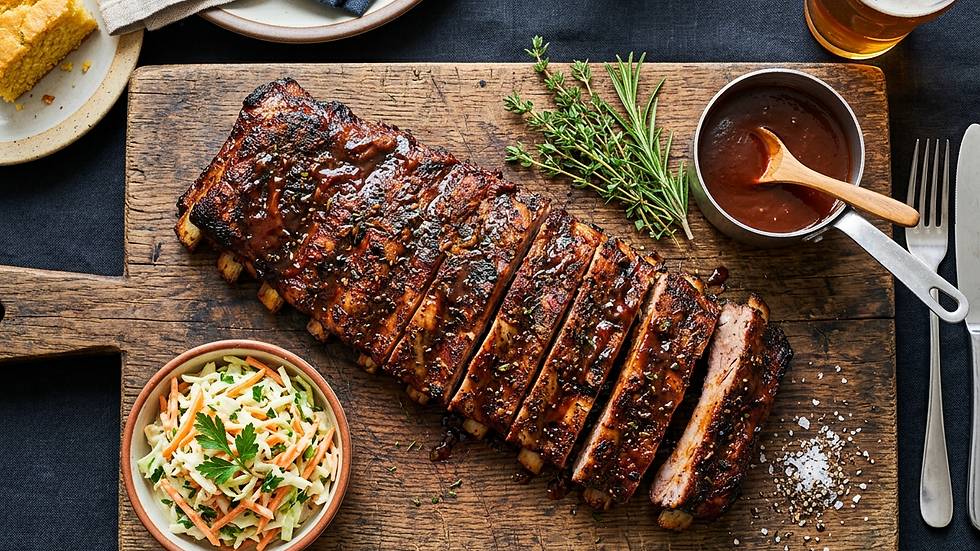
By following these steps, you’ll ensure your ribs are bursting with flavor and have that perfect crust after cooking.
Cooking Tips to Maximize Your Dry Rub Flavor
Once your ribs are perfectly seasoned, the next step is cooking them to perfection. Here are some tips to help you get the best results:
Low and slow: Cook ribs at a low temperature (225°F to 275°F) for several hours. This slow cooking breaks down connective tissue, making ribs tender.
Use indirect heat: Whether you’re grilling or smoking, place ribs away from direct flames to avoid burning the rub.
Add moisture: Use a water pan or spritz ribs with apple juice or vinegar during cooking to keep them moist.
Finish with a glaze (optional): In the last 30 minutes, brush ribs with your favorite BBQ sauce or glaze for a sticky, flavorful finish. We recommend our 5 Star Rated South Tampa Barbecue Sauce, available now at https://www.tampabayspicecompany.com/product-page/south-tampa-barbecue-sauce
These tips will help you get ribs that are tender, juicy, and packed with the bold flavors from your dry rub.
Experimenting with Flavor Profiles and Ethnic Influences
One of the best things about using dry rubs is the ability to experiment with different spices and herbs inspired by diverse culinary traditions. Here are some ideas to get you started:
Classic American BBQ: Paprika, brown sugar, garlic powder, onion powder, black pepper, and cayenne.
Mexican-inspired: Cumin, chili powder, smoked paprika, oregano, and a touch of cinnamon.
Asian flair: Five-spice powder, ginger, garlic powder, and a bit of brown sugar.
Mediterranean twist: Rosemary, thyme, garlic, lemon zest, and black pepper.
Feel free to mix and match spices to create your own signature rub. Our range of spices, herbs, and sauces can help you bring these bold flavors and exquisite aromas to your kitchen, making every meal a celebration of taste.
Bringing It All Together
Mastering the technique of applying dry rub to ribs is a rewarding experience that transforms simple pork ribs into a delicious feast. By preparing your ribs properly, applying the rub generously, and cooking them low and slow, you’ll enjoy tender, flavorful ribs every time.
If you want to dive deeper into the details, check out this guide on how to use dry rub on pork ribs for more tips and tricks.
With the right spices and a little patience, you’ll be serving up ribs that are bursting with flavor and sure to impress your family and friends. Happy grilling!


Comments